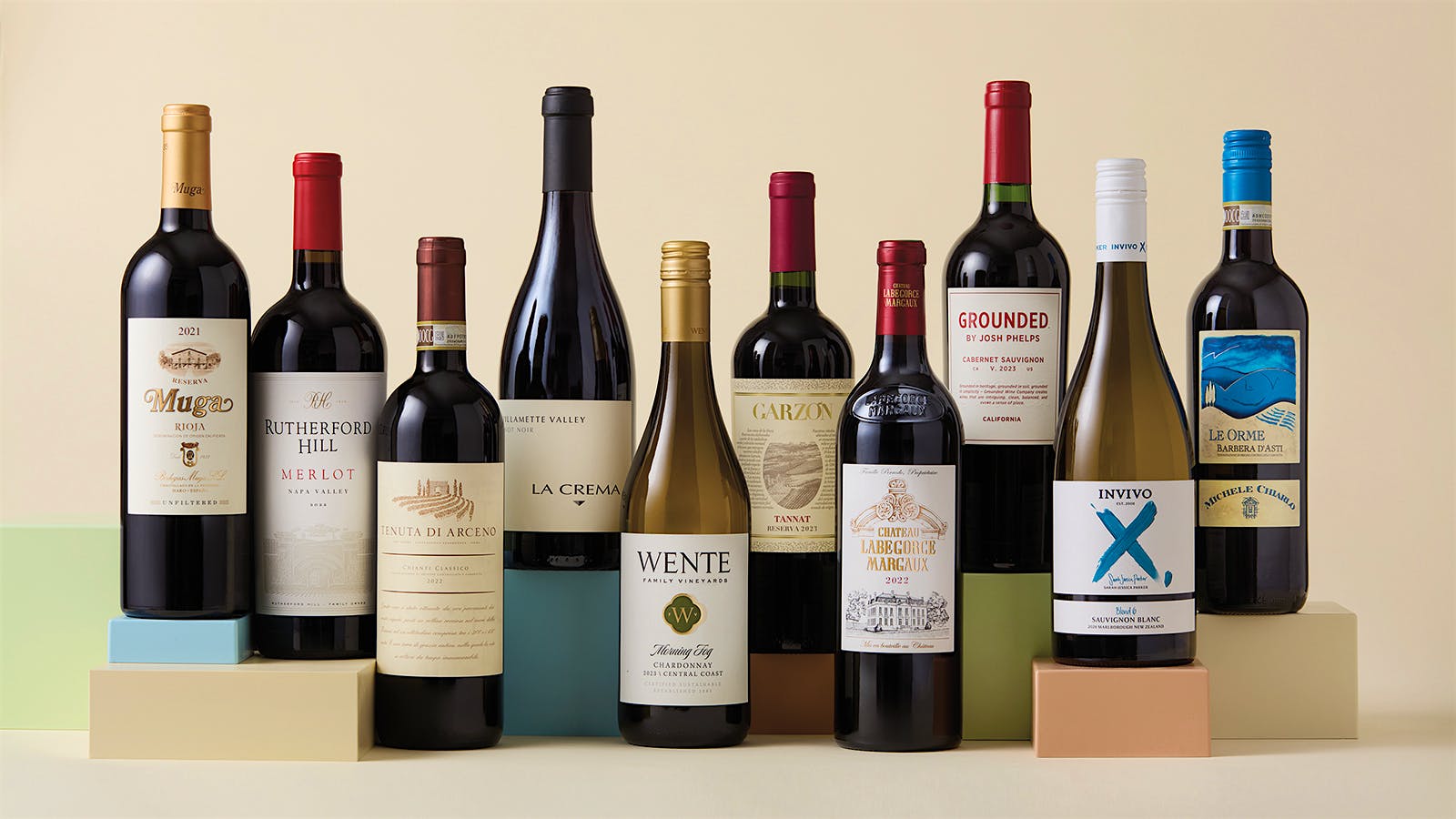



There is no formula for identifying great value when it comes to wine. Growing conditions, vintage variations, winemaking styles and personal tastes can change from year to year, making hard-and-fast rules difficult to pin down. What is clear is that producers around the world are making a range of high quality wines at affordable prices. That’s why, for the fifth year in a row, we’ve enlisted our team of editors to select the top values of the past 12 months. How do wineries keep their costs down and their production figures up? It’s different from region to region, but our selection process focuses on wines that express the distinctive character of an appellation or variety while keeping prices low through innovative methods in the vineyard and cellar.
This list is capped by our choice for Wine Value of the Year. All of the wines rated 90 points or higher on Wine Spectator’s 100-point scale, cost $40 or less and were made in large enough quantities to be widely available. From Rioja and Piedmont to Oregon’s Willamette Valley and California’s Central Coast, the wines on this list showcase top-tier winegrowing regions at their most wallet-friendly.
Check out wines 2–10 below, and don’t miss our Wine Value of the Year, an outstanding Rioja reserva!
2. RUTHERFORD HILL
Merlot Napa Valley 2022
93 points | $40 | California
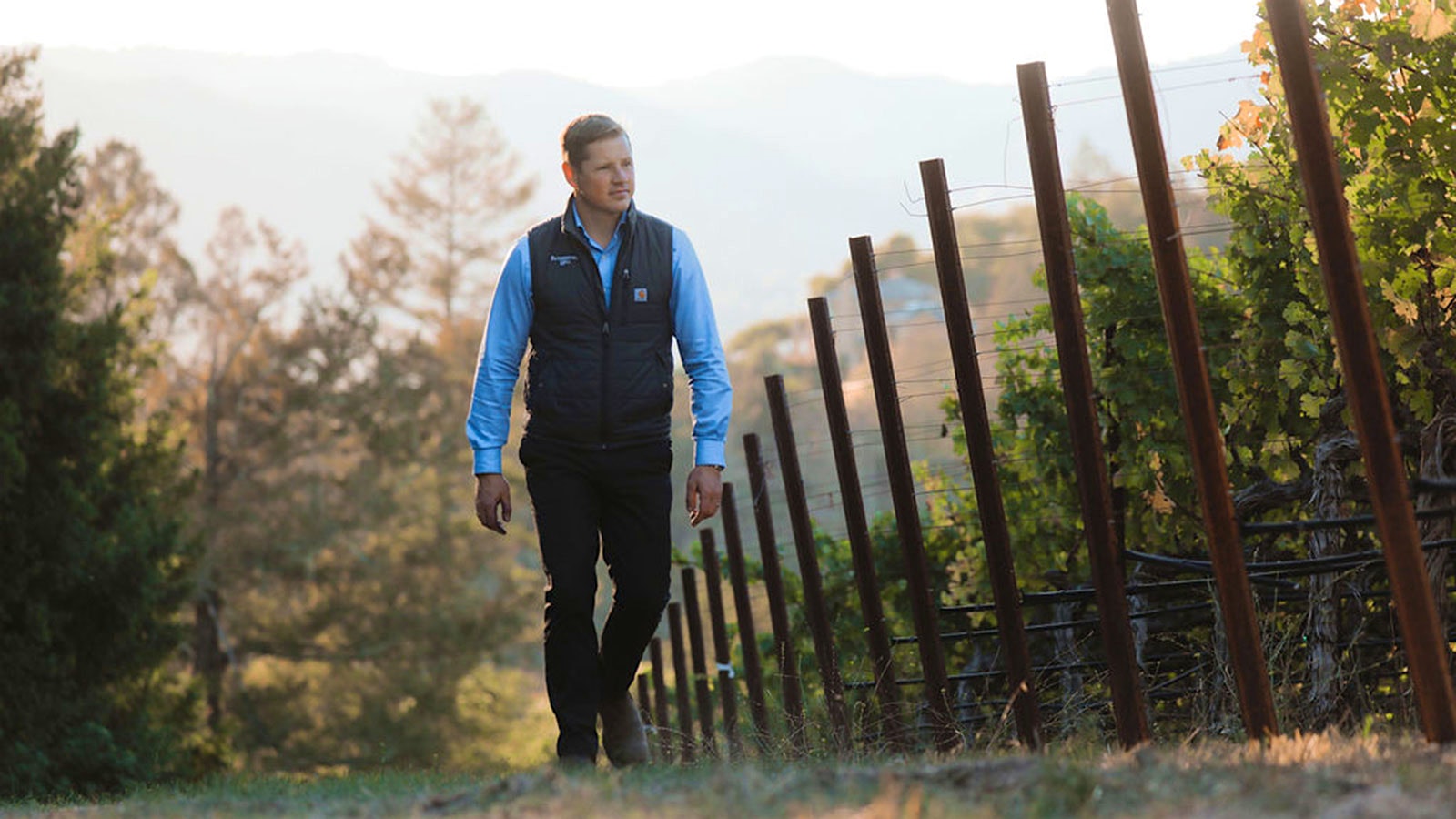
After more than 70 years in the wine business—first as a retailer, then as a distributor and importer—the Terlato family went into winemaking with the purchase of Rutherford Hill in 1996. Today, they own more than 400 acres of prime vineyard land in Napa Valley, which they put to fine use in this well-priced Merlot. About 70 percent of the 2022 bottling comes from those vineyards, including the Terlato-owned Chimney Rock estate, whose Merlot vines are planted in the foothills of the Stags Leap District. Marking the first vintage for former winemaker Michael Coode, the 2022 is supple and elegantly structured. Coode fermented the juice in tanks, with twice-daily pump-overs, and then aged the wine for 14 months in a combination of new and used French oak. 12,814 cases made.—Tim Fish
3. TENUTA DI ARCENO
Chianti Classico 2022
93 points | $30 | Italy
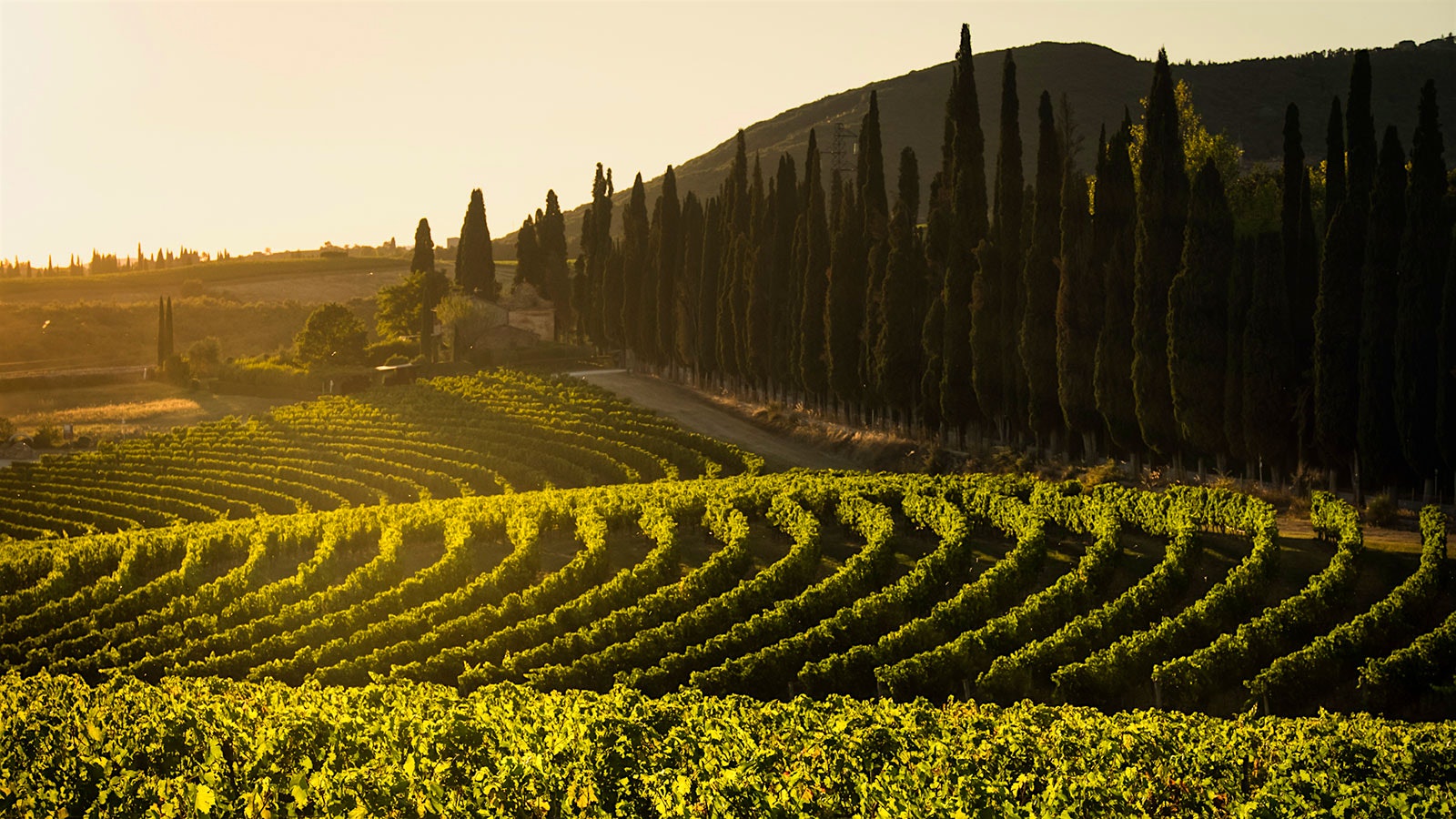
This 2,500-acre property in the rolling hills of Castelnuovo Berardenga was purchased by Jackson Family Wines in 1994. The company quickly began a program of replanting, followed by new plantings between 1998 and 2007. There are now 272 acres of vines, split evenly between Sangiovese and international varieties. This breakdown also reflects the estate’s wines, half of which are under the Chianti Classico denomination and the other half IGT. The sustainably farmed vineyards range from 1,230 to 1,970 feet in elevation and encompass multiple soil types, from alluvial to clay and limestone to sandstone. Bordeaux native Pierre Seillan oversees the winemaking, while the day-to-day operations are managed by American Lawrence Cronin. A blend of 85 percent Sangiovese and 15 percent Merlot, the 2022 bottling aged for 10 months in 2- and 3-year-old barriques and another 6 months in bottle before release. The Merlot softens the Sangiovese, while adding cherry, raspberry and blackberry fruit flavors, making this red enjoyable now. That said, you won’t be disappointed to discover a bottle in your wine fridge in five years. 11,776 cases made, 7,900 cases imported.—Bruce Sanderson
4. LA CREMA
Pinot Noir Willamette Valley 2022
92 points | $28 | Oregon
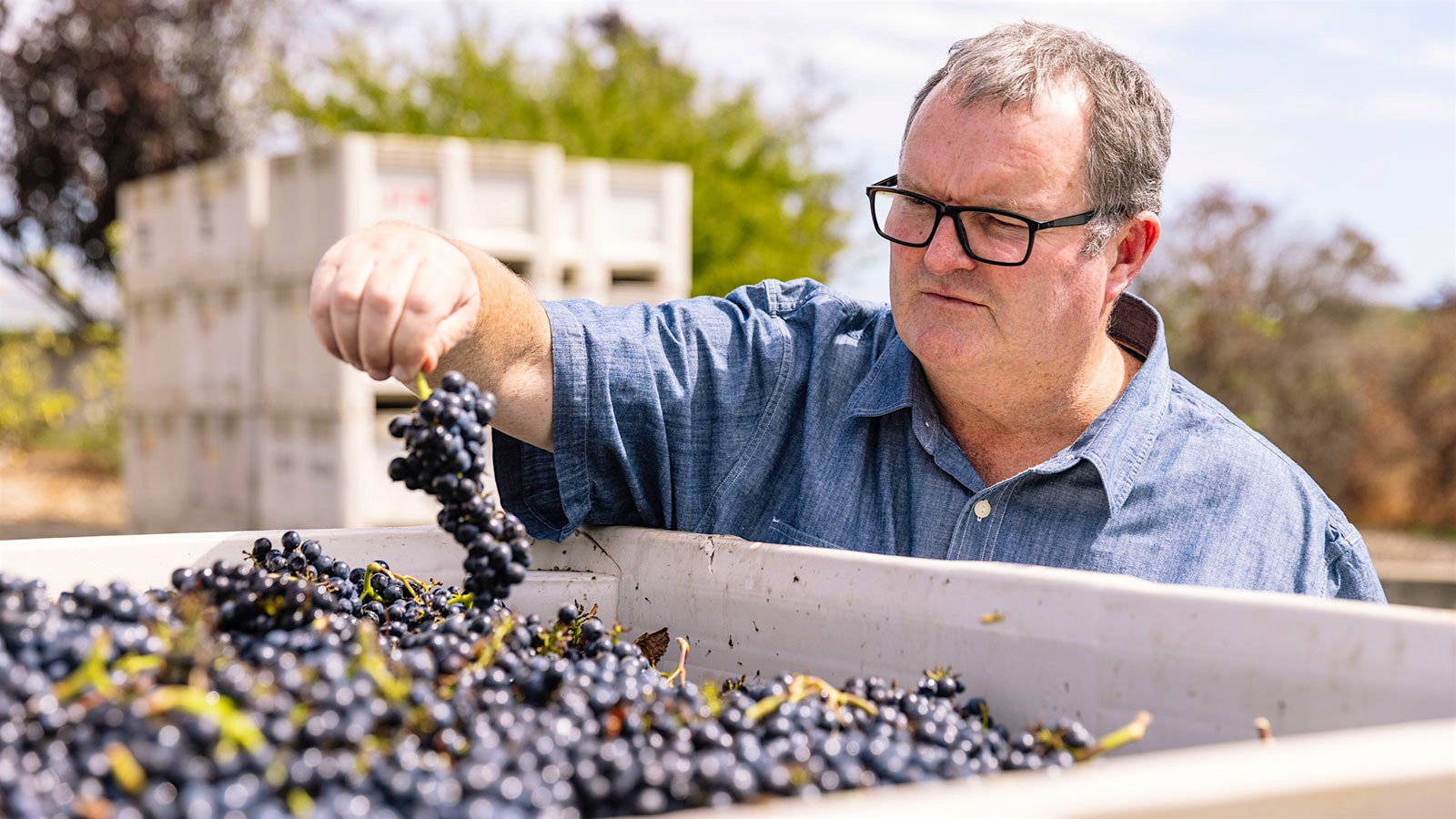
In 1993, La Crema became one of the first wineries acquired by the Jackson family, who had already founded their own brands such as Kendall-Jackson and Cambria. Over the years, JFW has built La Crema into one of the largest labels among the more than 40 it owns worldwide. Having come to Oregon in 2013, the company quickly became a force in Pinot Noir, as this bottling attests. The 2022 was harvested from eight vineyards across five subappellations within the Willamette Valley, including Jory Hills in Dundee Hills and Gran Moraine and WillaKenzie in Yamhill-Carlton. Winemaker Craig McAllister aged the wine for seven months in French oak, 21 percent of which was new. The result is an approachable red that captures the essence of the valley, with supple raspberry flavors laced with cinnamon and smoky spices. 26,250 cases made.—T.F.
5. WENTE
Chardonnay Central Coast Morning Fog 2023
90 points | $18 | California
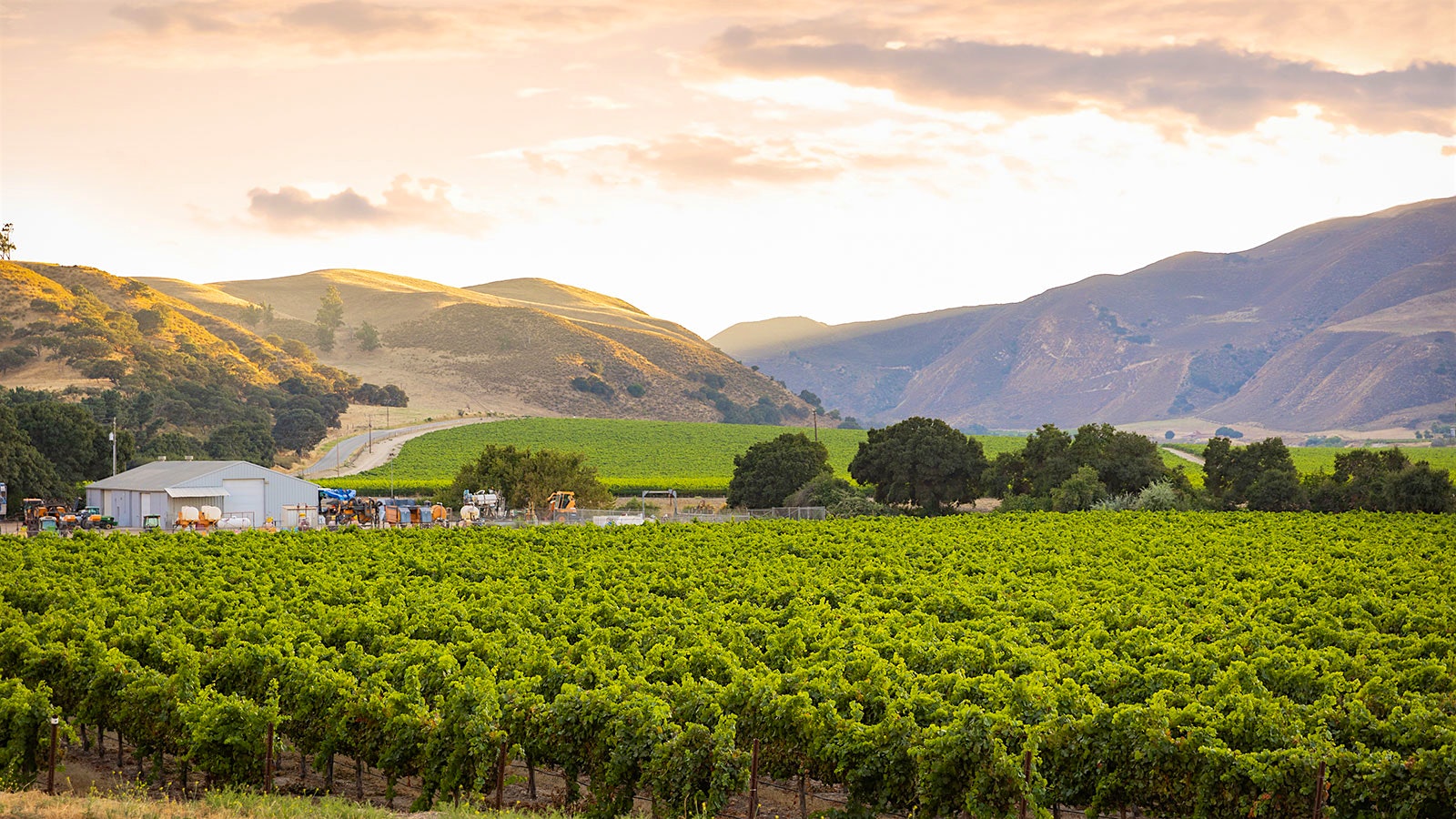
Founded in 1883, Wente Family Vineyards proclaims itself America’s longest continuously operated family-owned winery. It also has a deep history with Chardonnay, going back to 1912, when second-generation Ernest Wente propagated the Wente clone, which became one of the most sought-after Chardonnay clones in California. Now in its fourth and fifth generations as winemakers, the family has been focusing on well-priced wines that overdeliver on quality. The Morning Fog bottling is a Goldilocks Chardonnay, with half the wine fermented in neutral American oak barrels and half in stainless steel tanks, striking a balance between freshness, complexity and creaminess. “How can we give this the body and mouthfeel of Chardonnay, but keep it light?” asks fifth-generation Aly Wente. Grapes from Arroyo Seco add some tropical notes, while a touch of Gewürztraminer adds aromatics. 155,000 cases made.—MaryAnn Worobiec
6. BODEGA GARZÓN
Tannat Uruguay Reserva 2023
91 points | $22 | Uruguay
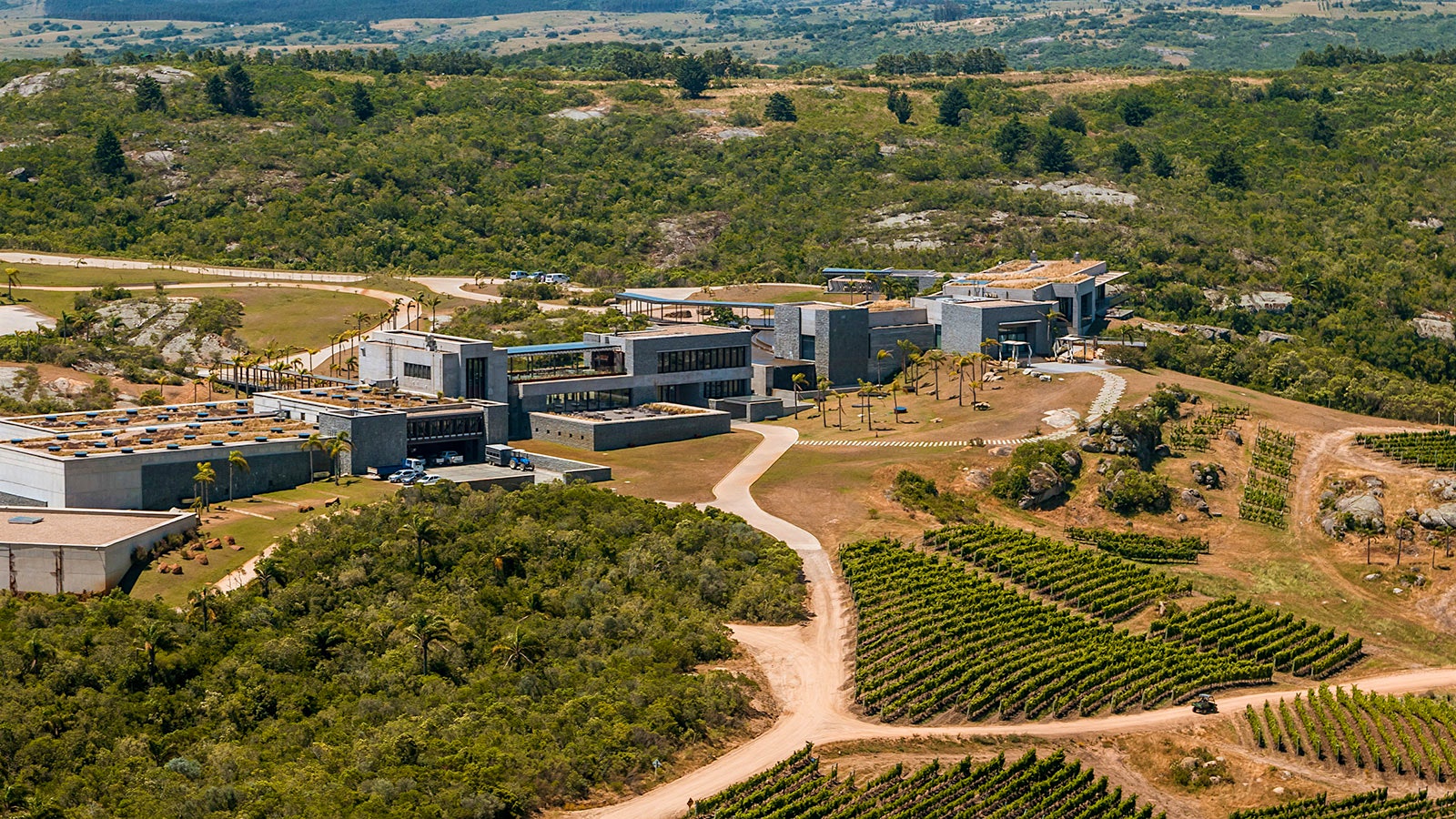
Like many good vineyard stories, the discovery of Bodega Garzón was an accident. In 2006, Argentinian oil and gas billionaire Alejandro Bulgheroni purchased land in Uruguay, 11 miles from the Atlantic coast, with plans for a wind farm. His advisers, however, suggested vineyards. Tuscan consulting winemaker Alberto Antonini told Bulgheroni there was potential to do something on a trial scale. Garzón’s general manager, Christian Wylie, jests that Garzón is “very much an experiment on a massive scale!” Today, 20 grape varieties grow across the 600-plus acres, but the star in the vineyard—and in Uruguay as a whole—is Tannat. The maritime climate helps develop deep flavors while yielding a more approachable style of the grape, with balanced tannins. Native Uruguayan winemaker Germán Bruzzone accentuates the terroir through a light touch in the cellar, fermenting in concrete to preserve aromatics and freshness, then aging for six to 12 months in French oak casks. 39,167 cases made, 11,100 cases imported.—Aaron Romano

7. CHÂTEAU LABÉGORCE
Margaux 2022
92 points | $35 | France
At first glance, Bordeaux’s history-steeped estates might seem staid. But there are plenty of examples in the region where a young, energetic generation is making new investments to produce noteworthy results. Although dating to the 14th century, Château Labégorce’s original estate was split into three properties after the French Revolution. Hubert Perrodo acquired the main estate in 1989 and eventually reunited it with the other two properties. Today, his daughter Nathalie Perrodo is in charge, with winemaker Marjolaine Maurice de Coninck handling production. The vineyard totals 170-plus acres of vines situated on sandy gravel and limestone soils. The ensuing blend of Cabernet Sauvignon and Merlot, with small quantities of Cabernet Franc and Petit Verdot, delivers a plush, toasty, crowd-pleasing profile. Although not a classified estate, Labégorce delivers like one—and at a price point that makes it easy to get acquainted with this classic region. 15,000 cases made.—James Molesworth
8. GROUNDED WINE CO.
Cabernet Sauvignon California 2023
90 points | $18 | California
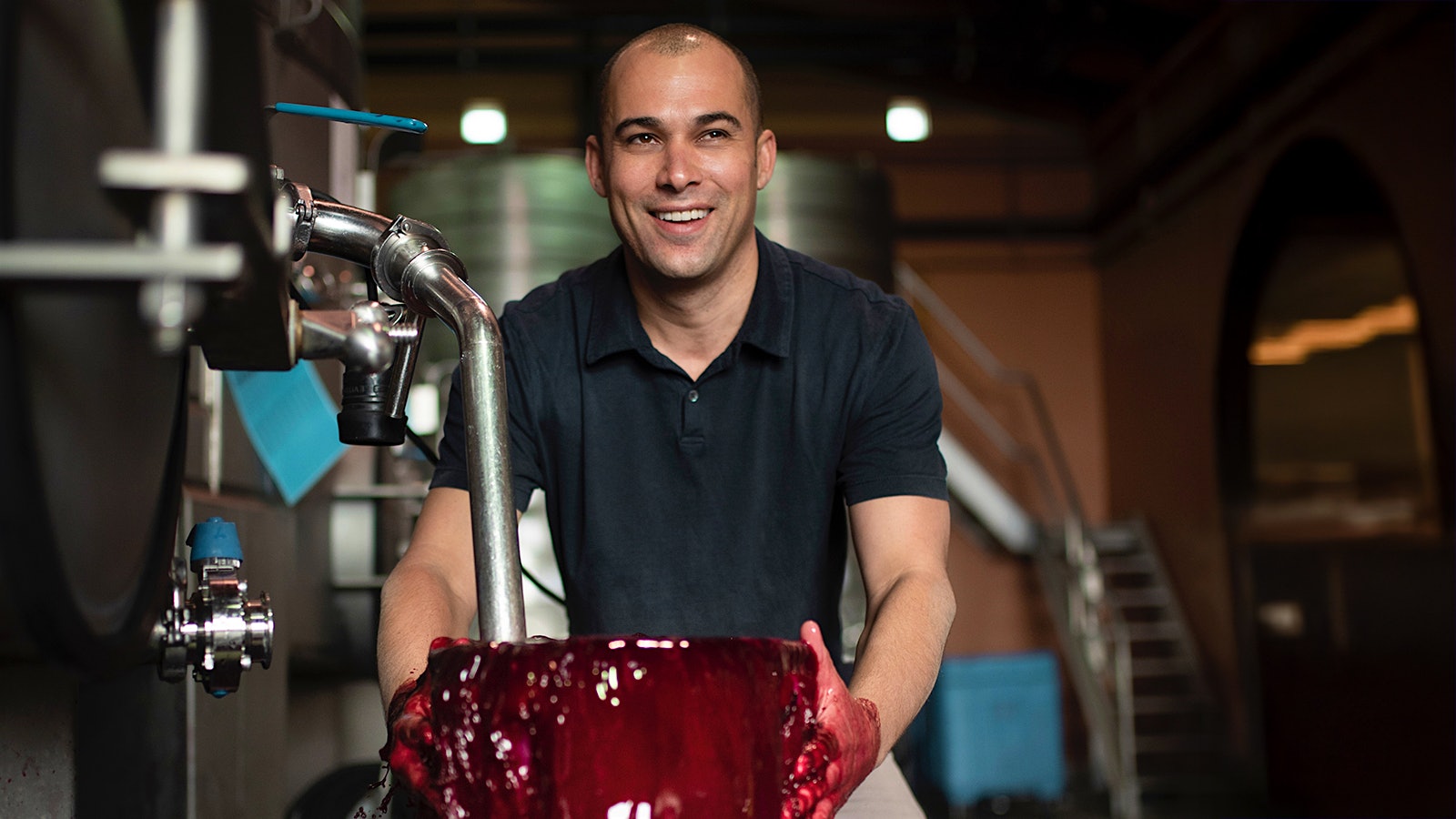
Josh Phelps represents a new generation now helping to drive California wine. While the Napa Valley Cabernet game has jumped the shark for some folks, with $200 and up the typical price point, Phelps, a Napa Valley native, is going the other direction with his value-oriented operation. Phelps learned his craft from one of the best: His father, Chris, had winemaking stints at both Dominus and Inglenook before turning his focus to his own Ad Vivum label. (The family has no relation to the Joseph Phelps winery.) Phelps sources fruit from sustainably farmed vineyards throughout the state, including in Napa and Sonoma, along with Lake County, Paso Robles and elsewhere. Having become a rock-steady value over recent vintages, this bottling gets an extra boost thanks to the strength of the 2023 vintage, offering textbook, succulent Cabernet flavors with an immediately accessible profile. 35,000 cases made.—J.M.
9. INVIVO
Sauvignon Blanc Marlborough X, Sarah Jessica Parker Blend 6 2024
92 points | $19 | New Zealand
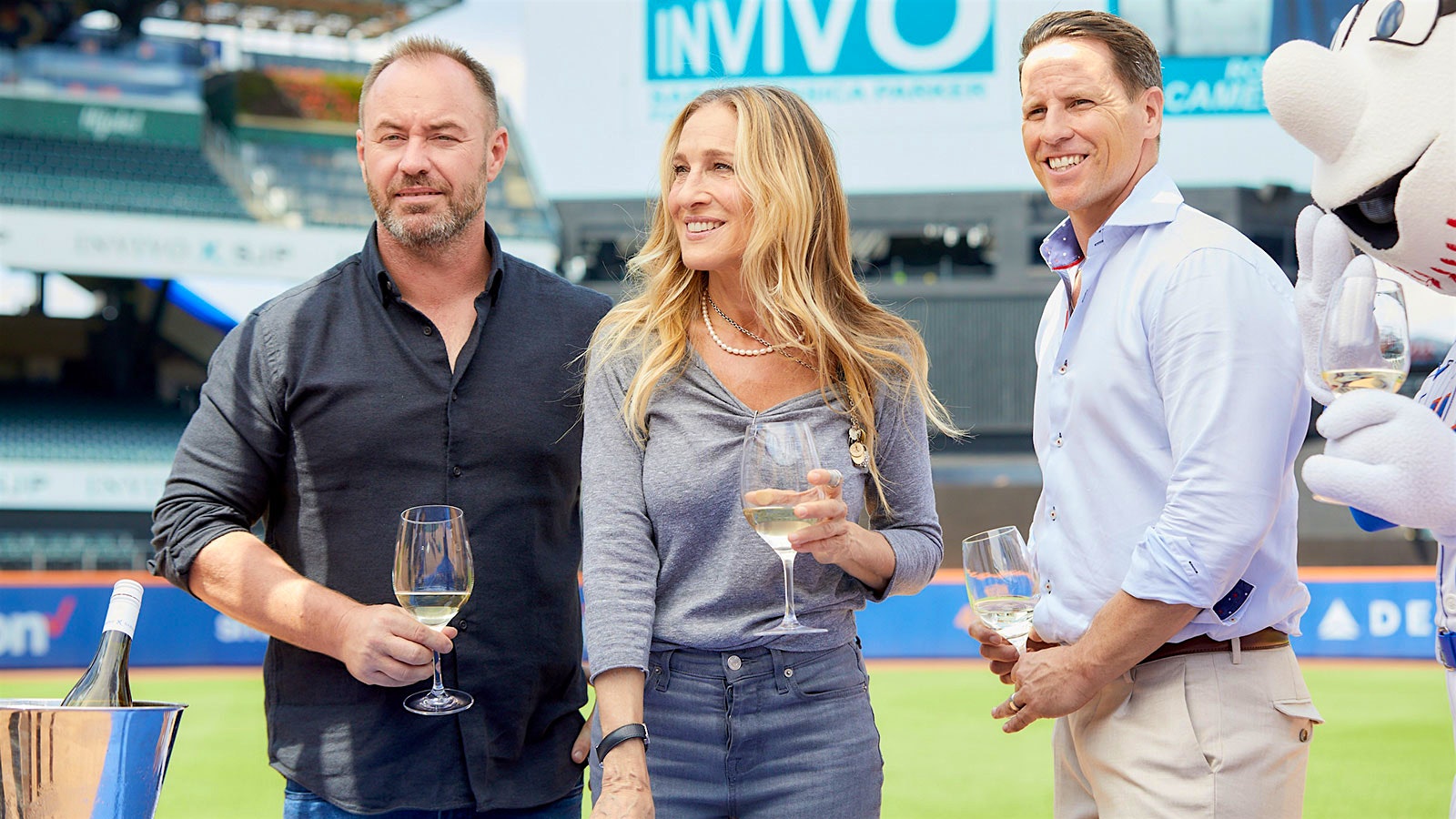
Invivo has been an innovative project since it was founded in 2008 by a pair of Kiwi school friends: Tim Lightbourne and winemaker Rob Cameron. To start, it’s the largest crowdfunded beverage company in the Southern Hemisphere, a “tribe” of 800 owners. Along the way, the pair raised funds to purchase two wineries, created a winery airline and collaborated with Graham Norton and Sarah Jessica Parker. But the consistency and quality of the wines have always been at the core of the brand, which has grown its portfolio as well as its production. This bottling blends grapes from multiple Marlborough subregions, where the winery manages more than 400 vineyard acres. A hint of skin contact and a light touch of oak add to the complexity. The sprinkle of star power doesn’t hurt either: Parker is part of the annual blending sessions. “I pick experiences and projects where I can learn and I can surround myself with people who are much smarter and more experienced than me,” she says. 60,000 cases made, 30,000 cases imported.—M.W.
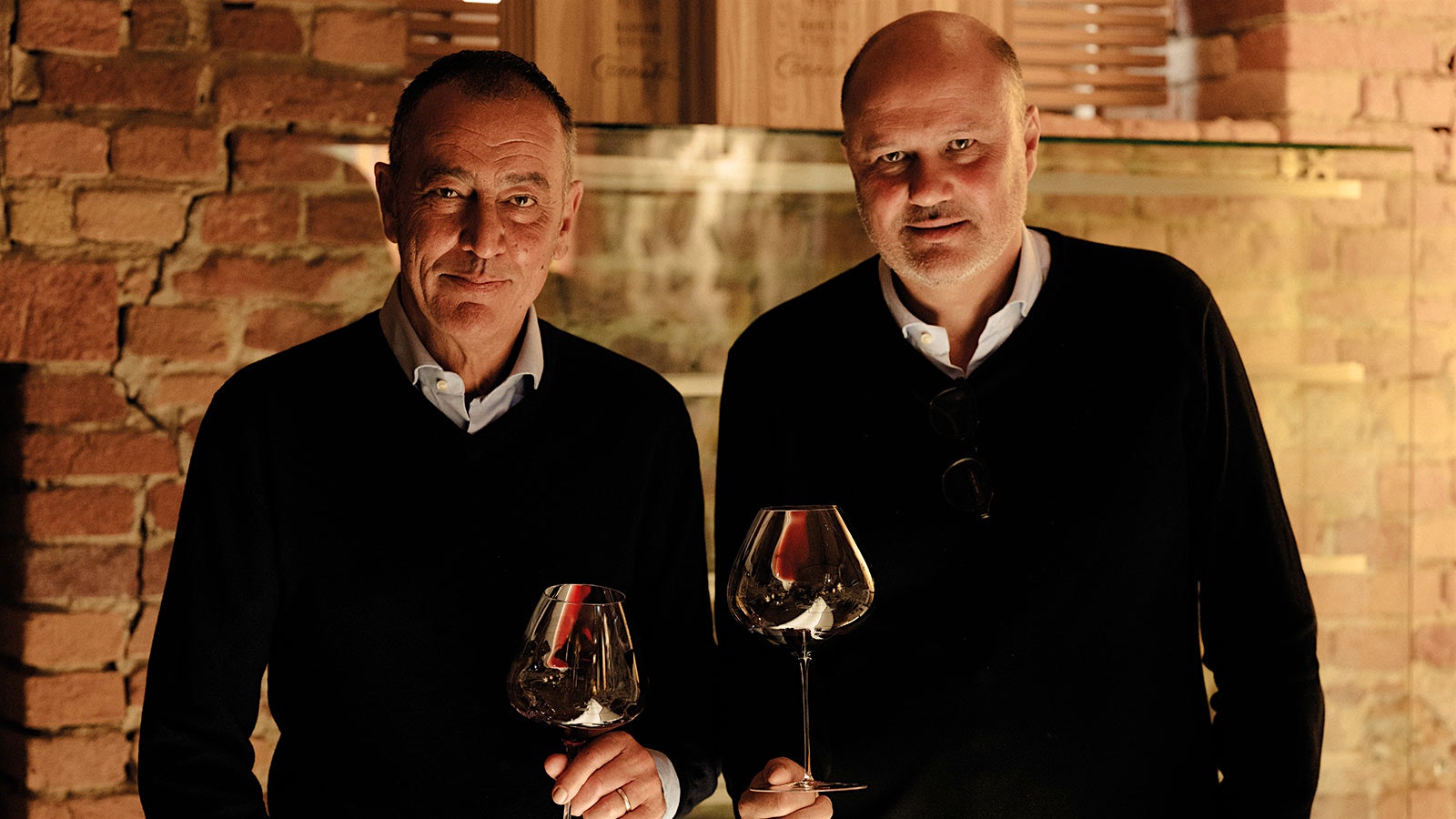
10. MICHELE CHIARLO
Barbera d’Asti Le Orme 2023
90 points | $19 | Italy
Michele Chiarlo launched his winemaking career in 1956, bottling his first Barolo in 1958. But his heart was in the Monferrato hills, home to the Barbera grape. In 1995, he purchased Tenuta La Court, 50 acres of prime vineyards in the heart of the Asti denomination. Chiarlo’s sons, Stefano and Alberto, joined him, and together the trio embarked on a goal to create a “super Barbera” category called Nizza, which received DOCG status with the 2014 harvest. In addition to a range of Barolos and Barbarescos, the winery makes four Barberas, including the Asti Le Orme, the entry-level blend and the best value. The grapes come from four different vineyards with parcels of varying vine age that are selected for freshness. Yields are a bit higher than the winery’s Nizza reds, and the wines age for three to four months in large oak casks before bottling. The result is a rich yet crunchy style, with plum, blackberry, chocolate and earth flavors. 30,000 cases made, 12,000 cases imported.—B.S.