


The latest releases from Piedmont showcase back-to-back harvests yielding exceptional reds. Both the 2020 crop of Barolos and the 2021 Barbarescos are must-have vintages for fans of this northwestern Italian region. Based on my reviews of more than 600 wines tasted blind at our New York office since my previous report (“A Classic Year in Piedmont,” April 30, 2024), I give the 2020 vintage an overall rating of 95 points, while 2021 earns a preliminary rating of 95–98 points, pending the release of the 2021 Barolos later this year.
Possibly the best vintage in a generation, 2021 has the hallmarks of a classic year, with cooler weather and later harvest dates. The wines are complex and structured, with vibrant acidity defining their red fruit, floral, savory and mineral flavors.
Snow during the early winter provided good water reserves for the dry conditions in February and March. Frost on April 7 and 8 caused damage to the lower portions of the region’s vineyards, up to 40 percent in some parcels. Flowering was roughly two weeks later than recent vintages, delaying the remainder of the season. By July, there was more rain in Barbaresco than Barolo.
Rain fell in Barolo at the end of July, while storms in Barbaresco brought hail that damaged about 10 percent of some parcels. Although hot during the summer, there was a significant difference between daytime and nighttime temperatures. Most producers finished picking by the middle of October.
Leading the pack among the 2021s is Gaja’s superb Barbaresco Sorì San Lorenzo (98 points, $1,056), a rich, juicy red packed with ripe cherry, raspberry, rose, graphite and menthol flavors. Showing superb balance and length, this wine teases you with its fruit before tightening up, a sign of its potential. Close on its heels is the Gaja Barbaresco Sorì Tildin (97, $960), which is almost creamy in texture, evoking cherry, strawberry, rose, iron, tobacco and sweet spices defined by lively acidity.
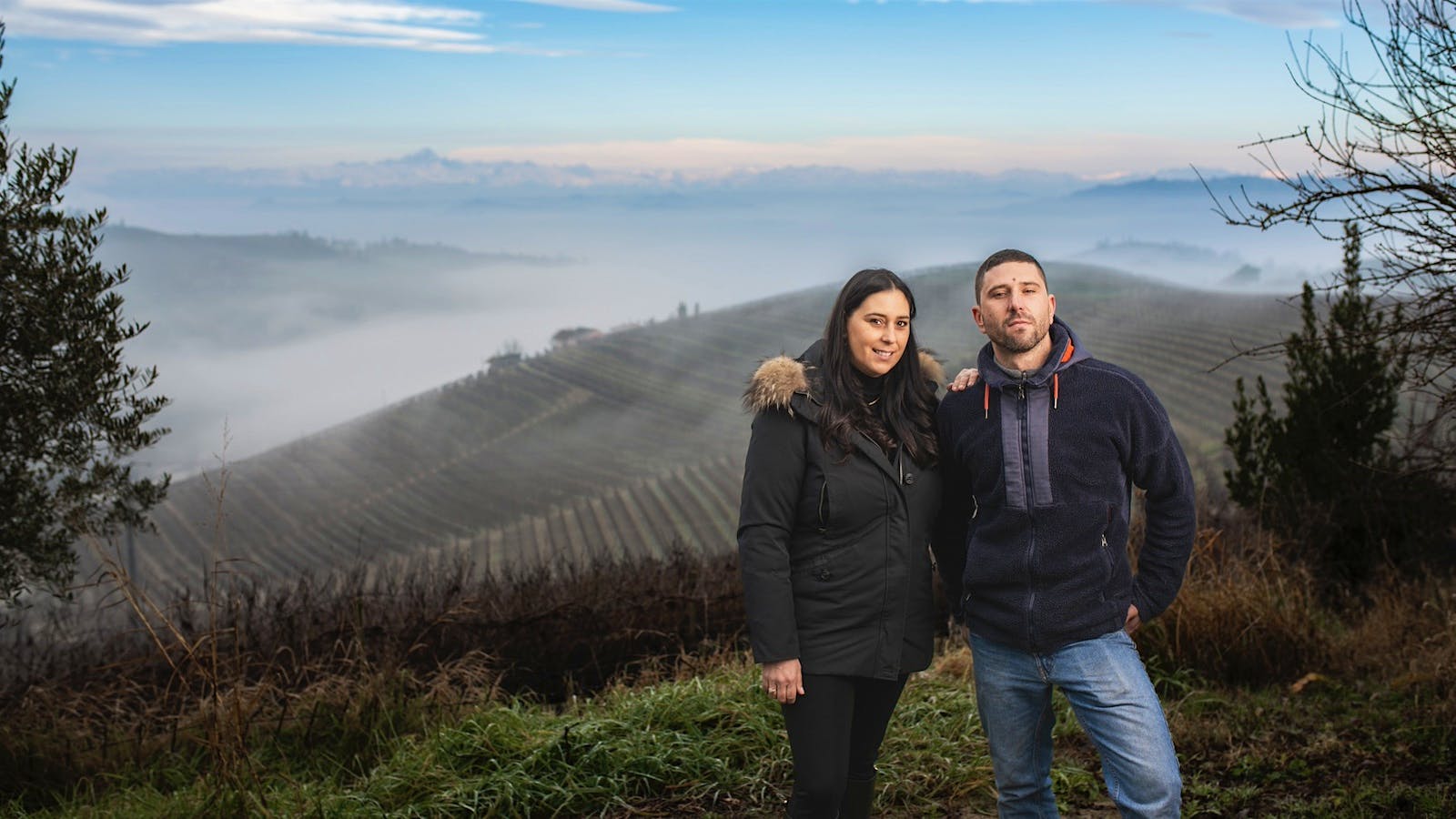
“I’m biased, I’m in love with 2021,” says Gaia Gaja. “I really like many vintages, but if I had to buy wine to keep in the cellar, I would buy everything I can from 2021. It is an exceptional vintage for me, with great structure, a rather opulent and full vintage, but not austere—indeed, with a wonderful quality of tannins, perfectly ripe tannins, and with excellent acidity that extends its longevity. It is a vintage of great intensity from all points of view.”

I was also impressed by the harmony and structure in Bruno Rocca’s Barbaresco Currà 2021 (97, $138), which shows pure strawberry, cherry and floral flavors. Francesco Rocca has been making changes at this family estate since assuming vineyard and winemaking duties from his father, Bruno, in 2015. In addition to fine-tuning the vineyards, he has dialed back the use of small new oak barrels, instead aging the Barbarescos in larger casks. “You need perfect phenolic maturation to age in big barrels,” Rocca told me last April at the winery.
The 2021 harvest was the latest ever at Bruno Rocca. While some producers decided to pick before there was rain on Oct. 4, Rocca gambled and started harvesting on Oct. 7, finishing on Oct. 13. Not only did his bet pay off with the Currà, but he also crafted stellar wines from the estate’s flagship Marcorino (95, $138) and Rabajà (94, $138) MGAs.
Paitin rounds out the list of top-rated 2021s with its Barbaresco Serraboella Sorì Paitin (97, $65), which features a mix of plum, cherry, juniper, eucalyptus and earth flavors that border on powerful, yet with a supple texture and vibrant acidity that keep everything long and well-defined.
For Barolo, the 2020 vintage was postmodern in the sense that the season was warm but not hot, with an early start, resulting in reds of balance, elegance and charm. It was also the year when vintners felt the impact of the COVID-19 lockdown. “For me, 2020 is the kind of year I want to do every year,” says Elvio Cogno proprietor Valter Fissore. “There was no pollution, we spent a lot of time in the vineyards and I remember everything I did.”
The year began with a warm, dry winter, leading to an early budbreak. There was no rain until the end of spring, while any heat spikes during summer were followed by storms that brought lower temperatures. The precocious development of the vines eventually slowed to that of an average year. According to Elisa Scavino, rain at the end of August and in mid-September refreshed the vines, promoting the final ripening of Nebbiolo. Picking began the last week of September and was mostly finished by mid-October.
“2020 was a good vintage for ripening Nebbiolo,” Scavino recalled during my visit to Piedmont last year. “The tannins are in harmony with all the components. It’s a very elegant vintage.” Her sister Enrica expanded on this: “2020 wasn’t a powerful vintage, but the bouquets, the perfumes, are very expressive.”
Paolo Scavino’s 2020 lineup bears out these impressions, with seven wines rated 90 points or higher, including three at the classic level of 95-plus. The alluring Barolo Bric dël Fiasc (97, $136) shows beautiful balance and finesse, while the Barolo Ravera (95, $102) is elegant and harmonious and the pure Barolo Rocche di Castiglione (95, $136) evokes floral and mineral notes.
In addition to the other top-scoring 2020 under review, Aldo Conterno’s ethereal Barolo Romirasco (97, $400), there are many more 2020 Barolos at 96 and 95 points—a few dozen in total. The sheer range of these classic-scorers reveals the overall quality and immediacy of the 2020 vintage.
A number of older vintages of Barolo and Barbaresco are also represented in this report, spanning all the way back to 2014. The standouts are primarily from 2019 and 2016, most notably the current ’19s from Roagna as well as the estate’s Barbaresco Crichët Pajé 2016 (99, $1,500)—the year’s top-rated wine—whose notes of steeped plum, cherry, coffee, tar, licorice and sweet spices wash across the palate like cashmere, leaving a refreshing aftertaste that lasts for minutes. Among the 2019s, Roagna leads with its Barbaresco Albesani (98, $200), Barbaresco Asili Vecchie Viti (98, $412), Barbaresco Pajè Vecchie Viti (98, $420) and its solely owned Barolo Pira Vecchie Viti Unico Proprietario (98, $412).
Two additional Barolos illustrate the quality of 2016: Paolo Scavino’s Barolo Riserva (98, $420), a blend of the Bricco Ambrogio, Ravera, Bric dël Fiasc, Albarella and San Bernardo MGAs, with a deep well of ripe cherry, strawberry, raspberry, mint, mineral and tobacco, and Vietti’s Barolo Villero Riserva (98, $645), showing complex flavors of cherry, raspberry, rose, wild herbs, mineral and autumn woods.
Other bottlings worth tracking down from past vintages include the Aldo Conterno Barolo Granbussia Riserva 2015 (97, $1,000), Produttori del Barbaresco Barbaresco Asili Riserva 2019 (96, $90) and Falletto di Bruno Giacosa Barbaresco Rabaja’ 2020 (96, $320).
Although prices for Barolo have gone up, this report offers several excellent values from 2020 costing less than $65. Fratelli Revello’s Barolo Gattera (94, $63) shows purity and finesse; Rocche Costamagna’s Barolo Rocche dell’Annunziata (94, $64) is intense yet open-knit; Bruna Grimaldi’s Barolo Bricco Ambrogio (93, $45) has elegance and vibrancy; Fratelli Alessandria’s Barolo del Comune di Verduno (93, $62) is rich and savory; Massolino’s Barolo (93, $56) is intense and silky; and Schiavenza’s Barolo Broglio (93, $54) has an expressive core of fruit.
There is also excellent value to be found among the current crop from Barbaresco, which in general tends to be slightly less expensive than Barolo. Start with this trio of 2021s from Paitin—the Barbaresco Basarin (95, $54), Barbaresco Faset (95, $54) and Barbaresco Serraboella (93, $50)—which all offer a chance to enjoy this great vintage without breaking the bank. Other 2021s to hunt down include Massolino’s complex Barbaresco (94, $54), Albino Rocca’s perfumed Barbaresco (93, $50) and Michele Chiarlo’s fleshy Barbaresco Reyna (93, $57).
Although it’s the stellar duo of Barolo and Barbaresco that excites collectors of Piedmont’s wines, the region produces a bounty of other offerings worth seeking out, from more affordable reds such as Barbera and Dolcetto to a range of white varieties and even sparkling wines.
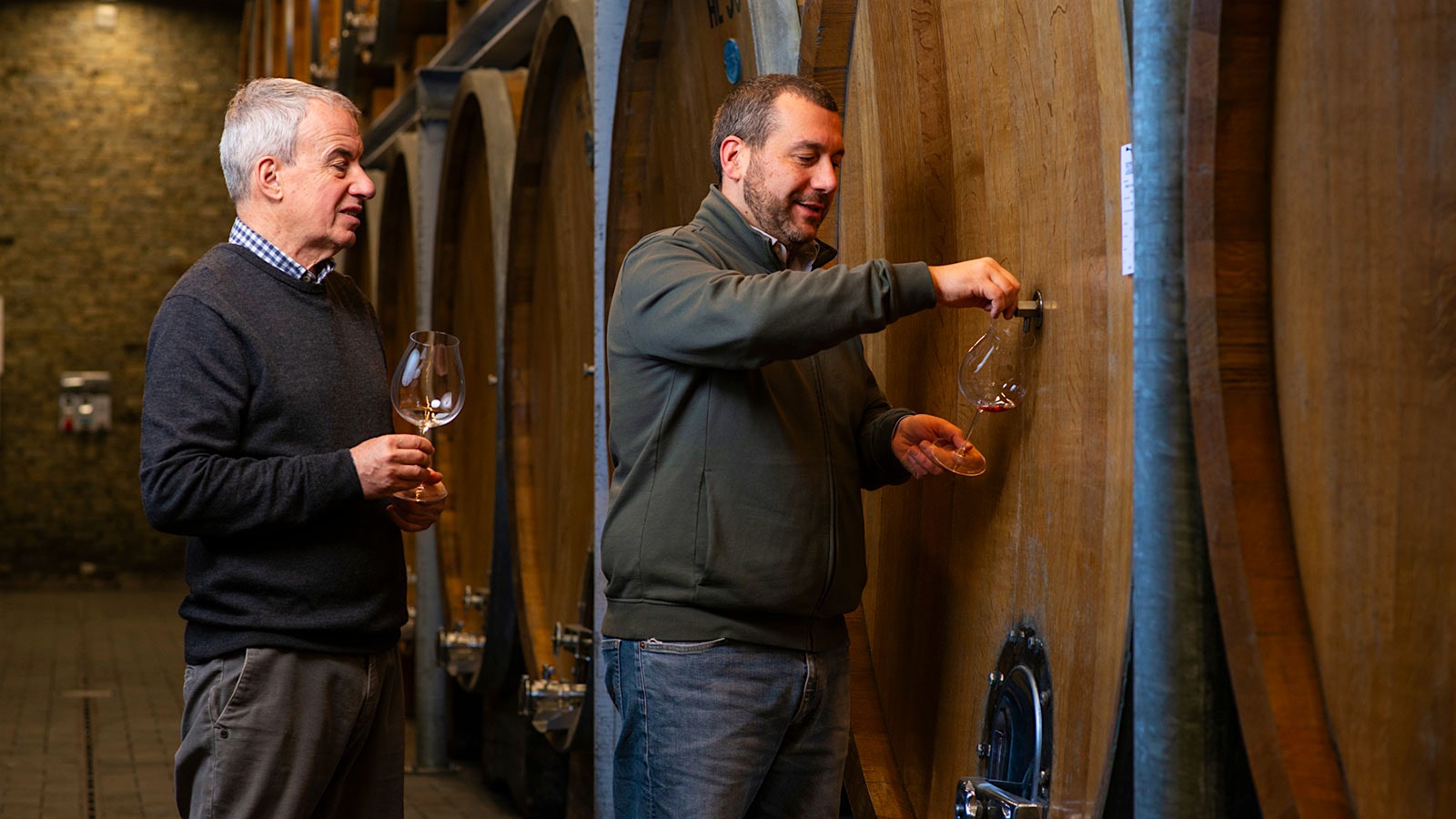
Barbera is a specialty of Asti, where it occupies the region’s best terroirs. Because it’s high in natural acidity, the grape excels in warmer vintages, such as 2020 and 2022. Barbera also performed well in 2021, a cooler season that experienced frost in April. “The April frost had little impact on the vines, thanks to its later budding and natural fertility, which allowed for good compensation,” notes Norbert Reinisch, export director for Braida di Giacomo Bologna. “Extremely high temperatures in August caused sunburn damage in some parts, leading to significant drying of parts of the bunch, which impacted the final yield. High sugar accumulation was accompanied by a balanced acidity above 10 grams per liter, ensuring the wines would have persistence and longevity.”
Three of Braida’s Barberas lead the category this year: the flagship Barbera d’Asti Bricco dell’Uccellone 2021 (92, $95), walking the line between power and elegance; the dense, muscular Barbera d’Asti Ai Suma 2021 (92, $145); and the Barbera d’Asti Bricco della Bigotta 2020 (91, $95), the most accessible of the three, with plum, blackberry, coffee and spice flavors that have hit a sweet spot. The 2021s are capable of aging another decade. Also from Asti comes Paolo Conterno’s complex, succulent Barbera d’Asti Bricco 2021 (91, $24) and Damilano’s lush Barbera d’Asti Zero Sette 2022 (91, $21).
Although Alba versions of Barbera take a back seat to Nebbiolo in terms of the best vineyard sites, it’s a less finicky grape for growers. “Barbera is definitely an easier variety to grow than Nebbiolo and more adaptable to different soil compositions,” says Claudia Cigliuti, whose family owns Azienda Agricola Cigliuti in Barbaresco. “Barbera in general doesn’t like high elevations. Within 1,320 feet above sea level is fine.”
Nevertheless, in the right hands, the variety renders wines of purity and elegance. Both Cigliuti and G.B. Burlotto produced a pair of outstanding Barberas. Cigliuti’s Barbera d’Alba Campass 2022 (90, $39) offers bright black cherry, blackberry, violet and earth flavors, making for a more elegant companion to the dense, robust Barbera d’Alba Vigna Serraboella 2022 (90, $36). G.B. Burlotto’s Barbera d’Alba Aves 2022 (92, $44) is saturated with cherry, raspberry, violet and mineral flavors, while its Barbera d’Alba 2022 (90, $32) is fresh and intense.
Ca’Viola’s elegant Barbera d’Alba Brichet 2022 (90, $29) is another success, boasting raspberry, maraschino cherry and violet notes. “The soils of Langhe, mainly composed of silt, blue clays—commonly called tufa—and white marls, give Barbera great elegance and significant body, with delicate floral aromas like violet and red fruits and with balanced acidity,” says proprietor Giuseppe Caviola, who is also a consulting enologist.
The Nizza DOCG is a subzone of Asti, where the spotlight is entirely on Barbera. One of its champions is Michele Chiarlo, which checks in with four different versions, three of them rated outstanding. The Nizza La Court VignaVeja Riserva 2019 (91, $98) evokes plum, chocolate, new leather and vanilla flavors, while the Nizza La Court Riserva 2020 (90, $67) is nimble, thanks to its lively acidity, and the Nizza Montemareto 2021 (90, $42) is polished, rich and dense. Look also for Marchesi di Barolo’s opulent Nizza Vinearei 2021 (92, $NA) for its flavors of cherry, chocolate-raspberry ganache, violet and spices.
The other major red grape of Piedmont is Dolcetto. At its best, this inexpensive variety is full of juicy black and red berry fruits, showing accents of violet and chocolate. Paolo Scavino’s Dolcetto d’Alba 2023 (91, $27), Ca’Viola’s Dolcetto d’Alba Vilot 2023 (90, $26), Conterno Fantino’s Dolcetto d’Alba Bricco Bastia 2023 (90, $24), Elio Altare’s Dolcetto d’Alba 2023 (90, $27), Elvio Cogno’s Dolcetto d’Alba Mandorlo 2023 (90, $28) and Sottimano’s Dolcetto d’Alba Bric del Salto 2023 (90, $24) embody many of Dolcetto’s most appealing attributes. Not surprisingly, all of them hail from among Piedmont’s top producers.
Elvio Cogno’s Fissore stresses that Dolcetto is a tannic grape, so it’s important not to overextract or elicit too much concentration. Otherwise, the tannins become rustic.
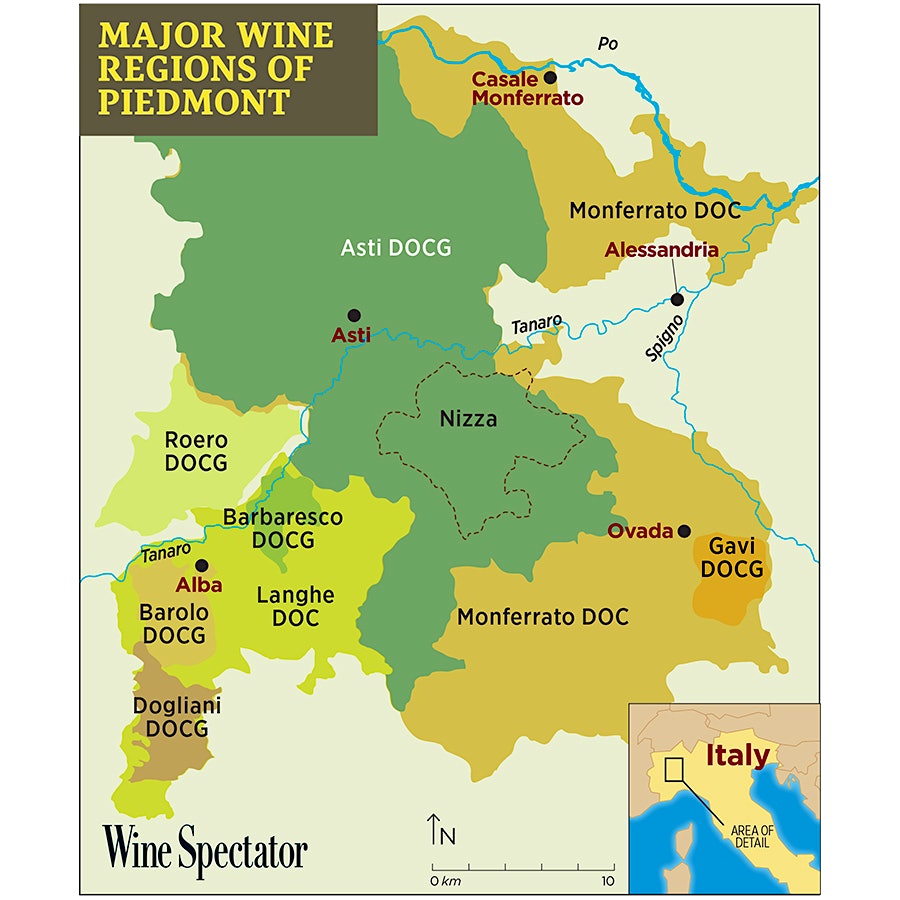
Dogliani is to Dolcetto what Nizza is to Barbera, a special zone where the variety occupies the best vineyard sites. Standout versions include the Luigi Einaudi Dogliani Vigna Tecc Madonna delle Grazie Superiore 2022 (91, $36), Pecchenino Dogliani Superiore Sirì d’Jermu 2021 (91, $25), Marziano Abbona Dogliani Papà Celso 2023 (90, $25) and Quinto Chionetti & Figlio Dogliani Briccolero 2022 (90, $33).
Piedmont’s best reds are so compelling that its whites are often overlooked. Yet there are excellent examples to be found—made from both traditional and international varieties—that offer character, complexity and even ageability.
The recent revival of Timorasso has added another traditional grape to the Piedmont arsenal. Its home is the Colli Tortonesi, where in the past decade, several leading Barolo producers have invested in vineyards. Timorasso bears fruit flavors such as peach and lemon, sometimes backed by floral notes, with elements of lanolin, pine and honey. With age, malty and smoky flavors emerge, as does an oily texture. There’s always a salty, minerally undercurrent.
Giacomo Borgogno & Figli offers two versions, the single-vineyard Colli Tortonesi Derthona Scaldapulce 2020 (92, $150), complex and intense, and the clean, mineral-driven Colli Tortonesi Derthona 2022 (90, $70). La Spinetta’s delicate Timorasso Colli Tortonesi Piccolo Derthona 2023 (90, $36), Roagna’s savory Vino d’Italia Derthona Montemarzino 2022 (90, $140) and Giovanni Viberti’s vibrant Timorasso Colli Tortonesi Derthona 2022 (90, $35) are also outstanding examples.
Lying about an hour from Barolo and Barbaresco is Gavi, whose climate is influenced by the Ligurian sea. Gavi is the home of the Cortese grape, which typically makes sleek, crisp whites such as the Villa Sparina Gavi Monterotondo 2021 (90, $45), though it is capable of richer, more complex versions, embodied by the Broglia Gavi Bruno Broglia 2020 (90, $41).
Elvio Cogno’s Langhe Nascetta Del Comune di Novello Anas-cëtta 2023 (90, $28) and Malvirà’s Roero Arneis Renesio 2022 (90, $25) and Roero Arneis S.S. Trinità 2022 (90, $25) are other fine examples of Piedmont’s local grapes.
Among the whites based on international varieties, Giacomo Borgogno & Figli’s Riesling Langhe Era Ora 2021 (90, $45), Marchesi di Grésy’s Sauvignon Langhe 2023 (90, $22) and Roagna’s Langhe White Solea 2022 (90, $110)—a blend of Chardonnay and Nebbiolo—stand out among my tastings this year.
Piedmont’s Alta Langa is also the source of excellent sparkling wines made in the Champagne method from Chardonnay and Pinot Noir. The mouthwatering Ettore Germano Extra Brut Alta Langa 2020 (92, $40) is buoyant yet lacy, while the firm and minerally Enrico Serafino Alta Langa Pas Dosè Zero 2017 (91, $60) features a chalky texture.
All in all, fans of the region’s wines have plenty of options among different price points. Whether you’re new to Piedmont’s wealth of reds and whites or a longtime collector of Barolo and Barbaresco, the current releases provide a compelling reason to stock up for enjoyment now or later.
Senior editor Bruce Sanderson is Wine Spectator’s lead taster on the wines of Piedmont.
Bruce Sanderson’s Recommended Wines From Piedmont
More than 600 wines were tasted for this report. A free alphabetical list is available. WineSpectator.com members can access complete reviews for all wines tasted over the past year using the online Wine Ratings search.
Top Wines
Roagna
Barbaresco Crichët Pajé 2016
Score: 99 | $1,500
WS Review: This washes like cashmere across the palate, where the flavors come alive, evoking steeped plum, cherry, coffee, tar, licorice and sweet spices. This is stripped down to the essence of Nebbiolo.
Gaja
Barbaresco Sorì San Lorenzo 2021
Score: 98 | $1,056
WS Review: This rich, juicy version is packed with ripe cherry, raspberry, rose, graphite and menthol flavors, with a lush, supple texture offset by a dense line of chalky tannins. Shows superb balance and length.
Giuseppe Mascarello & Figlio
Barolo Monprivato Cà d’Morissio Riserva 2016
Score: 98 | $950
WS Review: Beginning to transition to a new phase of its evolution, this perfumed red offers woodsy, leather, tar and spice notes in its repertoire, with a core of ripe cherry and plum fruit underlined by mineral details.
Roagna
Barbaresco Albesani 2019
Score: 98 | $200
WS Review: There’s fluidity and viscosity to the texture in this complex red, setting the stage for macerated cherry, strawberry, rose hip, hay and eucalyptus flavors, backed by vibrant acidity and firm, refined tannins.
Roagna
Barbaresco Asili Vecchie Viti 2019
Score: 98 | $412
WS Review: Lithe and elegant, this red is also spicy, with notes of white pepper aligning with a vibrant backbone of acidity to define flavors of cherry, strawberry, currant, rose hip and mint, with dense, refined tannins.
Roagna
Barbaresco Pajè Vecchie Viti 2019
Score: 98 | $420
WS Review: This shows an extra dimension of viscosity and energy, offering cherry, raspberry, pomegranate, mineral and licorice flavors. Verging on racy, with lively acidity and dense yet refined tannins.
Roagna
Barolo Pira Vecchie Viti Unico Proprietario 2019
Score: 98 | $412
WS Review: Cardamom and white pepper aromas are an ideal foil for this red’s strawberry, cherry, floral, mineral and eucalyptus flavors. Linear in profile, yet builds in intensity to the long, kaleidoscopic aftertaste.
Paolo Scavino
Barolo Riserva 2016
Score: 98 | $420
WS Review: Intense and vibrant, combining finesse and power, this red features a deep well of ripe cherry, strawberry, raspberry, mint, mineral and tobacco flavors, with terrific tension and a long, complex aftertaste.
Vietti
Barolo Villero Riserva 2016
Score: 98 | $645
WS Review: Complex aromas and flavors of cherry, raspberry, rose, wild herbs, stony mineral and autumn woods are the hallmarks of this elegant red, which is beginning to reveal all of its facets yet is still structured.
Aldo Conterno
Barolo Granbussia Riserva 2015
Score: 97 | $1,000
WS Review: Mellowing nicely, with raspberry, cherry, sweet hay, iron and oak spice flavors that show overtones of white truffle, rose and autumn woods.
Aldo Conterno
Barolo Romirasco 2020
Score: 97 | $400
WS Review: This peppery red is ethereal despite its tension, dense tannins and oak spice flavors, with a core of strawberry, cherry and rose.
Gaja
Barbaresco Sorì Tildin 2021
Score: 97 | $960
WS Review: Rich and almost creamy in texture, this detailed red evokes cherry, strawberry, rose, iron, tobacco and sweet spice aromas and flavors.
Paitin
Barbaresco Serraboella Sorì Paitin 2021
Score: 97 | $65
WS Review: Plum, cherry, juniper, eucalyptus and earth flavors highlight this dense red, which borders on powerful. Beautifully balanced and complex.
Bruno Rocca
Barbaresco Currà 2021
Score: 97 | $138
WS Review: An earthy undertone lifts the strawberry, cherry and floral flavors in this red, while marvelous harmony and structure prolong the finish.
Paolo Scavino
Barolo Bric dël Fiasc 2020
Score: 97 | $136
WS Review: This alluring red shows flavors of rose hip, cherry, currant, earth, mineral, tobacco and sweet spices, with excellent intensity.
Top Values
Damilano
Barolo Lecinquevigne 2020
Score: 94 | $39
WS Review: Stitched with pure cherry and raspberry fruit, this is supple and fragrant, showing lovely harmony, with mineral, tar and eucalyptus hints.
Marziano Abbona
Barolo 2020
Score: 92 | $40
WS Review: This is rich and fleshy, boasting cherry, raspberry, plum, earth and eucalyptus flavors, with dense tannins underlying it all.
Aldo Conterno
Langhe Quartetto 2021
Score: 92 | $40
WS Review: Dark in color and saturated with black cherry, blackberry, violet and sweet spices, this is fresh, complex and harmonious. Nebbiolo blend.
Ettore Germano
Extra Brut Alta Langa 2020
Score: 92 | $40
WS Review: This mouthwatering sparkler offers buoyant acidity and a lacy texture, with blackberry, poached apricot, orange curd and almond flavors.
Enrico Serafino
Brut Alta Langa Oudeis 2019
Score: 92 | $30
WS Review: An elegant sparkler, with a refined mousse, well-honed acidity and a salty underpinning enmeshed with a lovely range of flavors.
Paolo Conterno
Barbera d’Asti Bricco 2021
Score: 91 | $24
WS Review: Camphor, cherry, blackberry and spicy pipe tobacco flavors highlight this complex, succulent red, which is balanced and solidly structured.
Damilano
Barbera d’Asti Zero Sette 2022
Score: 91 | $21
WS Review: Lush and saturated, offering black cherry, blackberry and plum fruit, with graphite and sweet spices lending detail on the aftertaste.
Fontanafredda
Barbera d’Alba Raimonda 2022
Score: 91 | $29
WS Review: Succulent and bursting with raspberry and cherry flavors, this red is spry and vibrant, leaving a mouthwatering impression.
Pecchenino
Dogliani Superiore Sirì d’Jermu 2021
Score: 91 | $25
WS Review: This bright red is infused with violet, cherry and raspberry flavors, plus a flash of wild herbs. Shows fine balance and length.
Paolo Scavino
Dolcetto d’Alba 2023
Score: 91 | $27
WS Review: This lively, juicy red exudes cherry and raspberry fruit, accented by violet and graphite. Supple and charming, this firms up on the finish.
Giovanni Viberti
Barbera d’Alba La Gemella 2022
Score: 91 | $17
WS Review: Vanilla and resin accents frame flavors of boysenberry, blackberry and plum in this firmly structured red, with flashes of violet and spices.
Ca’Viola
Dolcetto d’Alba Vilot 2023
Score: 90 | $26
WS Review: High-pitched and floral, this is elegant and well-proportioned, with cherry, raspberry and peony flavors, all aligned to a supple texture.
Conterno Fantino
Dolcetto d’Alba Bricco Bastia 2023
Score: 90 | $24
WS Review: The scent of pure raspberry introduces this juicy red, which is inviting and accessible, with notes of cherry and strawberry.
Malvirà
Roero Arneis Renesio 2022
Score: 90 | $25
WS Review: Peach, honey, floral and cream notes are embedded in the lush texture of this bright, harmonious white, with fine expression and length.