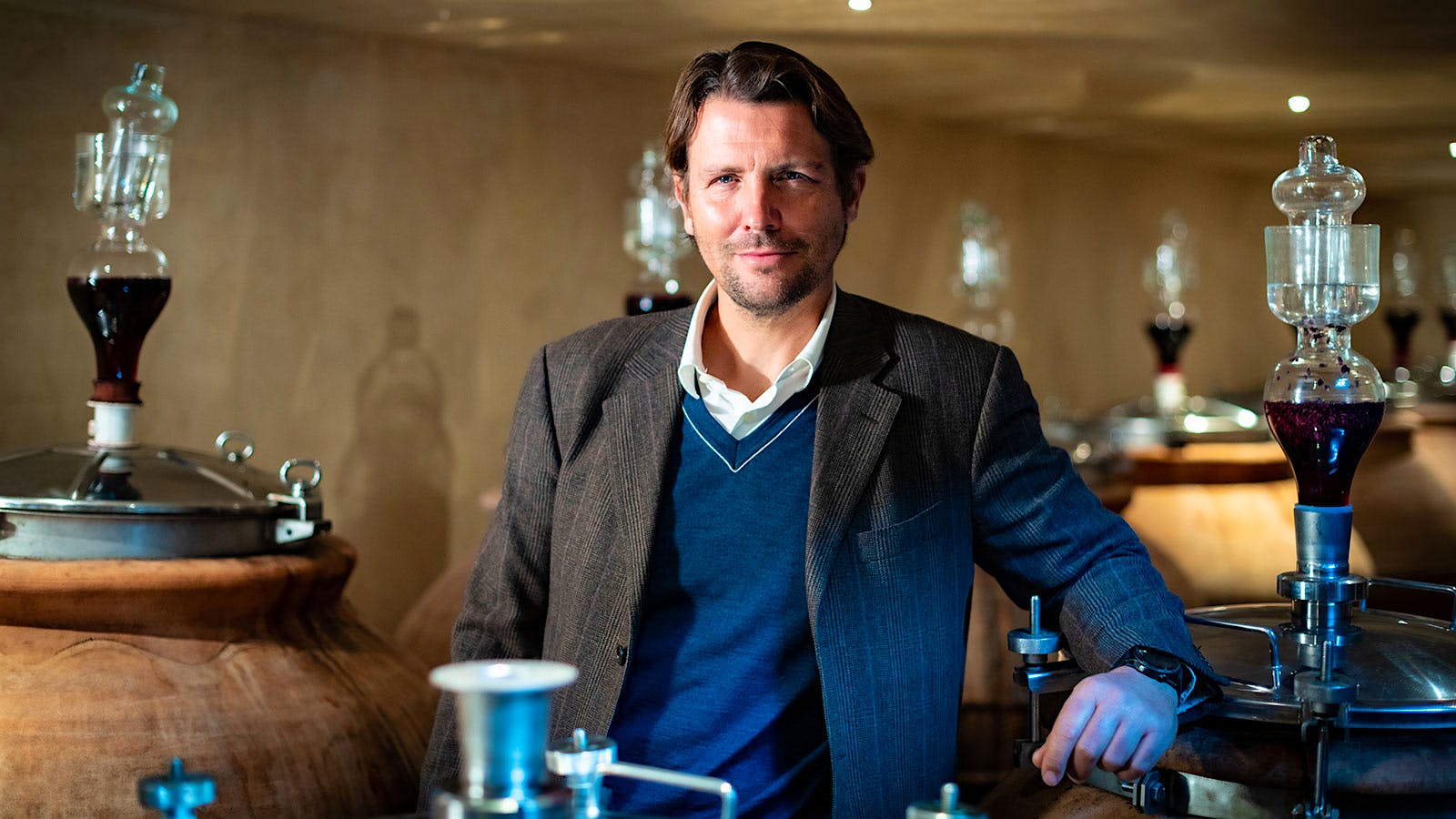



Il Borro is a lot of things: a remote medieval Tuscan hamlet, about 2,500 acres of mostly woodlands and a laidback, rural, luxury resort created in their midst by the Ferragamo family. It’s a farm, a restaurant, a bistro, a producer of olive oil, pasta and honey, and a leisure clothing and accessories collection. And it’s also an accomplished wine estate.
Il Borro’s 125 vineyard acres in the tiny, young Valdarno di Sopra appellation produce 12 organically grown wines. Like Il Borro itself, the estate vineyards are, in the words of their overseer, Salvatore Ferragamo, “super-interesting and super complicated.”
The modern story of Il Borro began in 1993. Salvatore’s father, Ferruccio, the long-time president of the Ferragamo fashion group up until 2022, purchased the entire estate—located between Florence and Arezzo—from Duke Amedeo di Savoia-Aosta, his friend and a fellow hunting enthusiast.
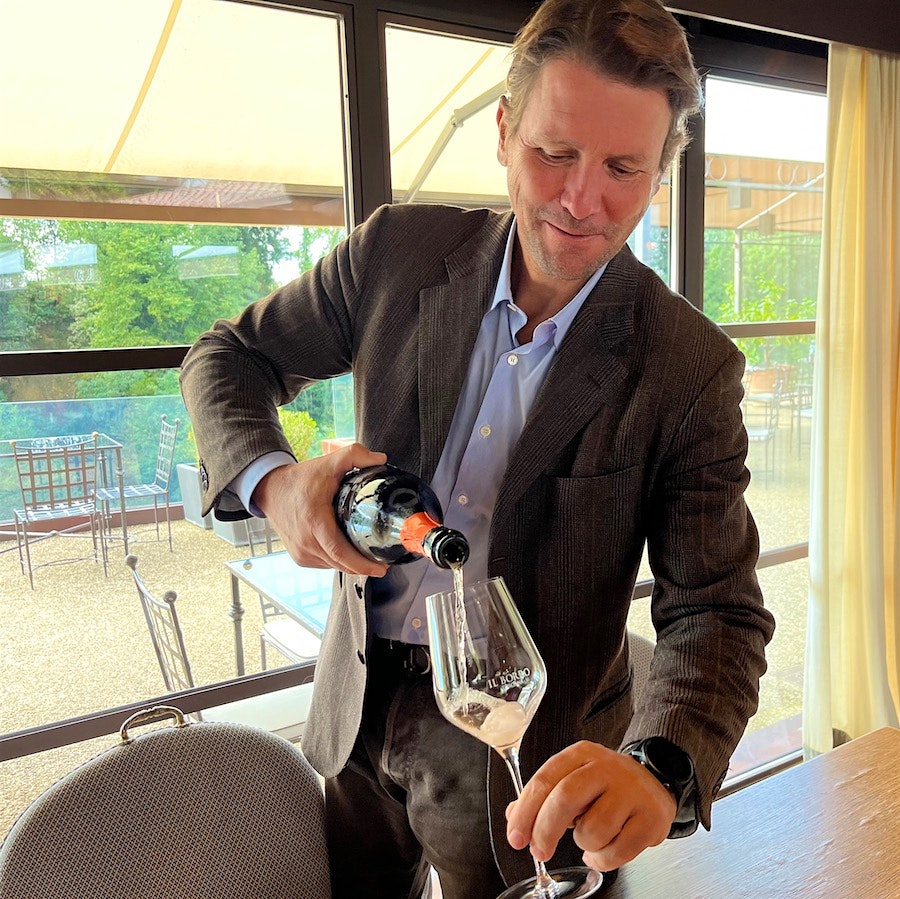
“It was falling apart. Every roof leaked,” says Salvatore, 53, namesake of his famous grandfather—a Naples-area cobbler who became Hollywood’s “shoemaker to the stars” in the 1920s before resettling in Florence.
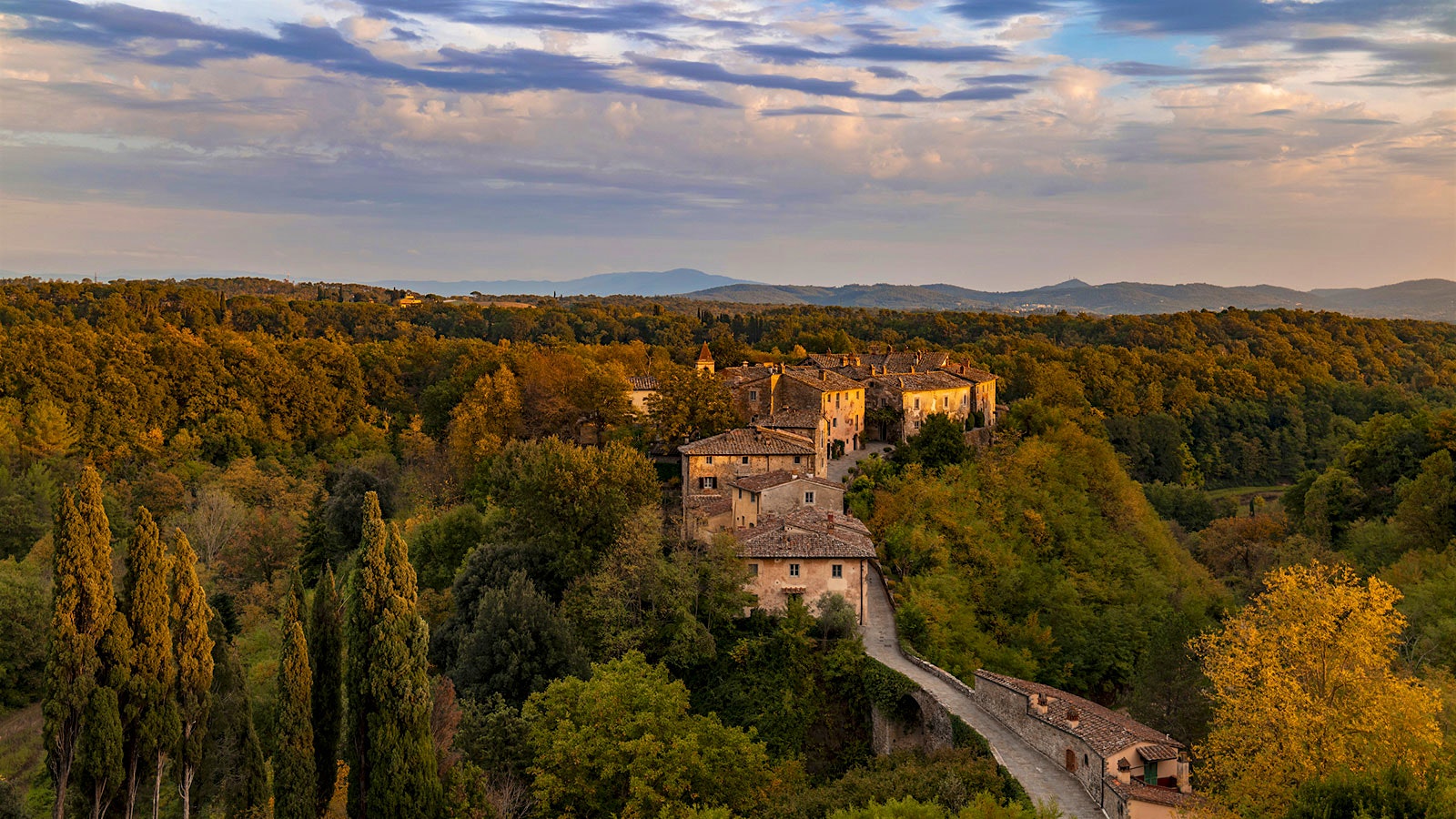
Ferruccio sought to turn the abandoned Tuscan hamlet into a hospitality retreat. At the time, Salvatore was studying marketing and finance at New York University, where he eventually earned his MBA.
The hamlet had a couple acres of vineyards that had been used to produce unremarkable bulk Chianti, but Salvatore was intrigued by the idea of producing wine at the estate. “When we bought the property, my father was a little resistant to planting vines,” Salvatore says. “So, I said, ‘Let’s just try [about 10 acres].”
In 1995, after a series of soil studies, the family planted a collection of Bordeaux and Rhône varieties, in keeping with the super Tuscan focus of the times.
In 1998, Salvatore returned from New York and took over management of the estate. The following year, Il Borro produced its first eponymous wine, the full-bodied Il Borro Toscana 1999 (89 points, $70) from Cabernet Sauvignon and Merlot, with smaller amounts of Syrah and Petit Verdot. “The wine that year had this beautiful dark color, and my father went from being skeptical to being a super fan,” Salvatore says.
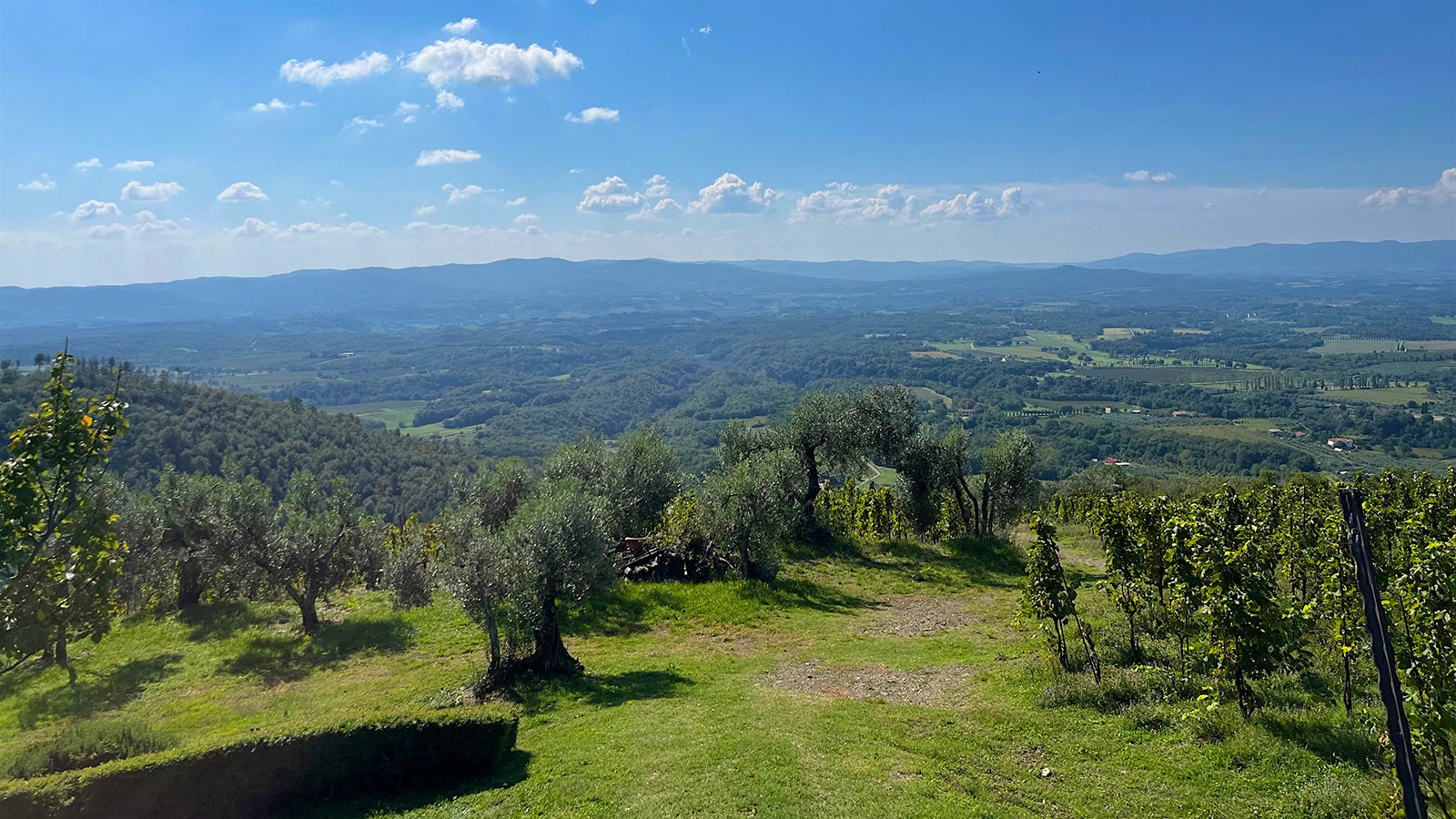
It took nearly two decades of design and construction for Il Borro to open as a five-star resort in December 2012. In the meantime, Salvatore threw himself into viticulture. As the vineyards matured and he and his team gained experience, the wines moved in the direction of balance and elegance, as evidenced nowadays by Il Borro’s long and complex 2020 Toscana (93 points, $54).
A Young Wine Appellation Grows Up
The late 1990s and early 2000s were heady times for Valdarno di Sopra, with Il Borro’s neighbor Tenuta Sette Ponti just a year ahead in catching wine lovers’ notice with its first vintage, 1998.
The Valdarno is not an easily defined terroir. Wedged between central Italian peaks to the north and east and the Chianti hills to the southwest, its soils vary from clay to pebbles and sand to schist. “We are in a part of the world with many different growing conditions,” Salvatore says. “When you have a property like Il Borro, you want to explore it.”
Exploration is the byword of the all-organic Valdarno di Sopra appellation, formed in 2011 by Il Borro, Sette Ponti and two other wineries. Now with 23 members, the appellation allows for a wide-open mix of grapes, from Bordeaux and Burgundy varieties to the Tuscan staples of Sangiovese and Trebbiano.
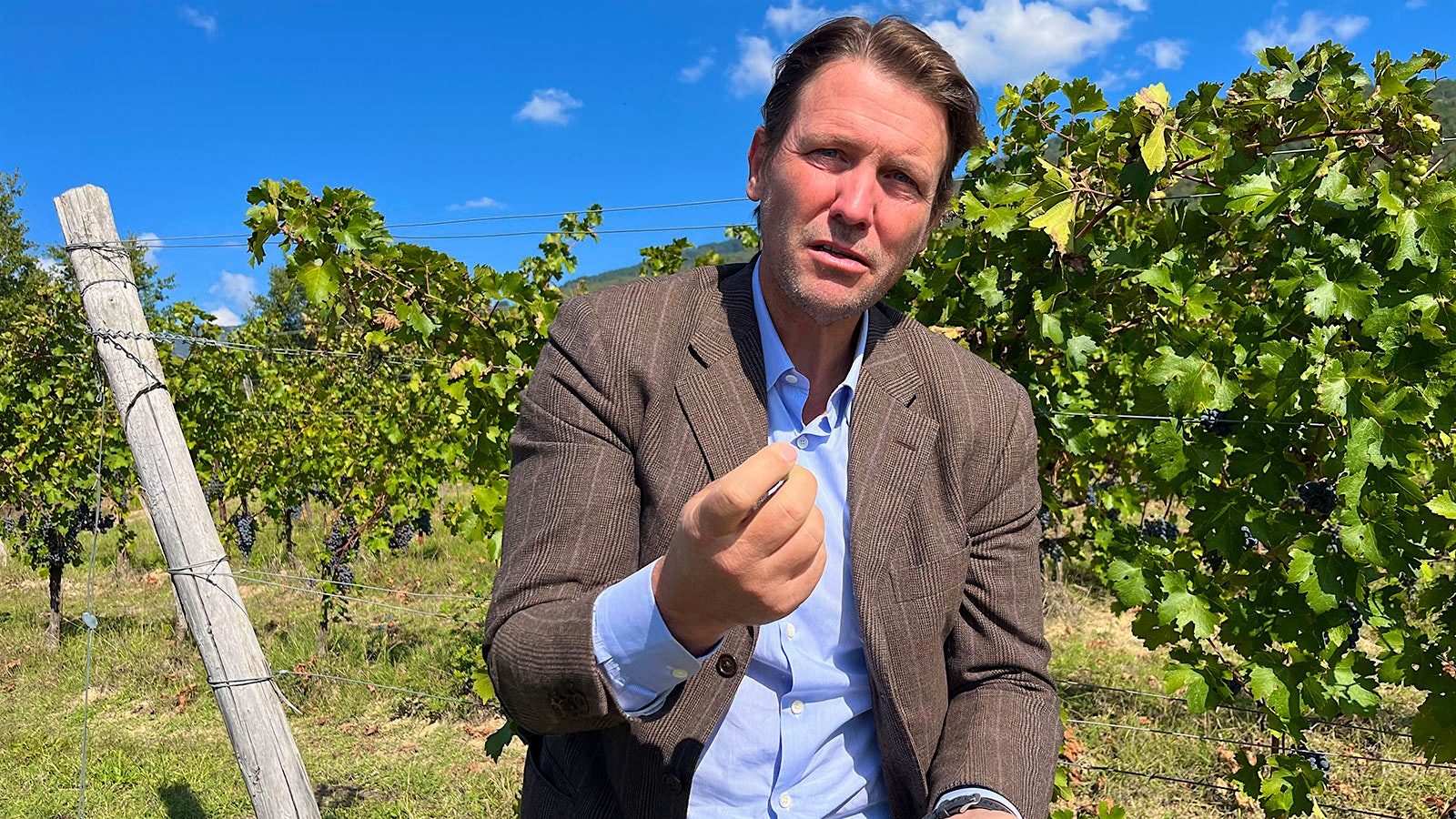
“The idea here is to study your soils and plant what works,” says Salvatore, who in 2011 led the conversion of Il Borro to organic viticulture with the help of Tuscan consulting enologist and agronomist Stefano Chioccioli. He has been Il Borro’s winemaker ever since.
With the Valdarno designation, Il Borro’s offerings include the lithe, amphora-fermented Sangiovese called Petruna (2020, 92 points, $40) and an ultra-high-end, silky Cabernet Sauvignon called Nitrito (2018, 94 points, $520). Another standout wine is the rich Syrah Alessandro dal Borro (2018, 92 points, $330 in magnum only), made from the estate’s highest vineyards, at an elevation of 2,000 feet.
The Creation of a Tuscan Idyll
The rest of Il Borro’s wine lineup is a something-for-everyone mix—from a pair of white and rosé Sangiovese classic-method sparklers to Chardonnay to a variety of reds. (Last year, the Ferragamos purchased Montalcino’s noteworthy Pinino estate, adding Brunello and Rosso di Montalcino to their lineup.) That variety comes from the Ferragamos’ role as hosts aiming to please their guests.

The estate has two restaurants led by native Valdarno chef Andrea Campani: the gourmet Osteria del Borro and the more casual Il Borro Tuscan Bistro, the latter of which has also opened outposts in Florence and Dubai and on the Greek island of Crete. Salvatore’s sister, Vittoria, oversees a few acres of vegetable gardens for the restaurants.
The vibe at Il Borro is a kind of Tuscan utopia, with no traffic, loud scooters or hassles—just little craft shops, a spa and swimming pools enveloped by compelling views at every turn. Even modern elements preserve the feel of the medieval village; for example, the winery’s 21st-century vaulted brick-and-stone cellars were designed after the centuries-old stables now used for barrel aging.

Within the village and scattered around the estate, the resort has about 60 suites and rooms and three additional restored historic villas. Accommodations are sumptuous and antique in style, with air-conditioning, but no elevators. When I visited for lunch in early fall, the crowd varied from older couples in hiking gear to tattooed millennials.
What drove Salvatore to create all this was a desire to do something different outside the world of luxury fashion. “If I have my own eggs from our own chickens, my own vegetables and extra virgin olive oil, these are luxuries,” he says. “Wine is much more creative than any product I can think of, because you work with nature, and you can go in a million different directions.”
Visiting Il Borro
Il Borro winery offers a range of wine tastings, including a wine-and-cheese pairing, plus vineyard tours, a farm tour and a tour of its wine cellar and art gallery. For more details and to book, visit www.ilborrowines.it/en.
If you’re looking for an overnight stay or longer, Il Borro is a Relais & Châteaux resort with a mix of rooms, suites and villas. Details about the options can be found at www.ilborro.it/en/hospitality/.
The resort offers a spa, cooking and cocktail classes, horseback riding, trails, artisan workshops and children’s activities. For more details on the different experiences, visit www.ilborro.it/en/experiences/.