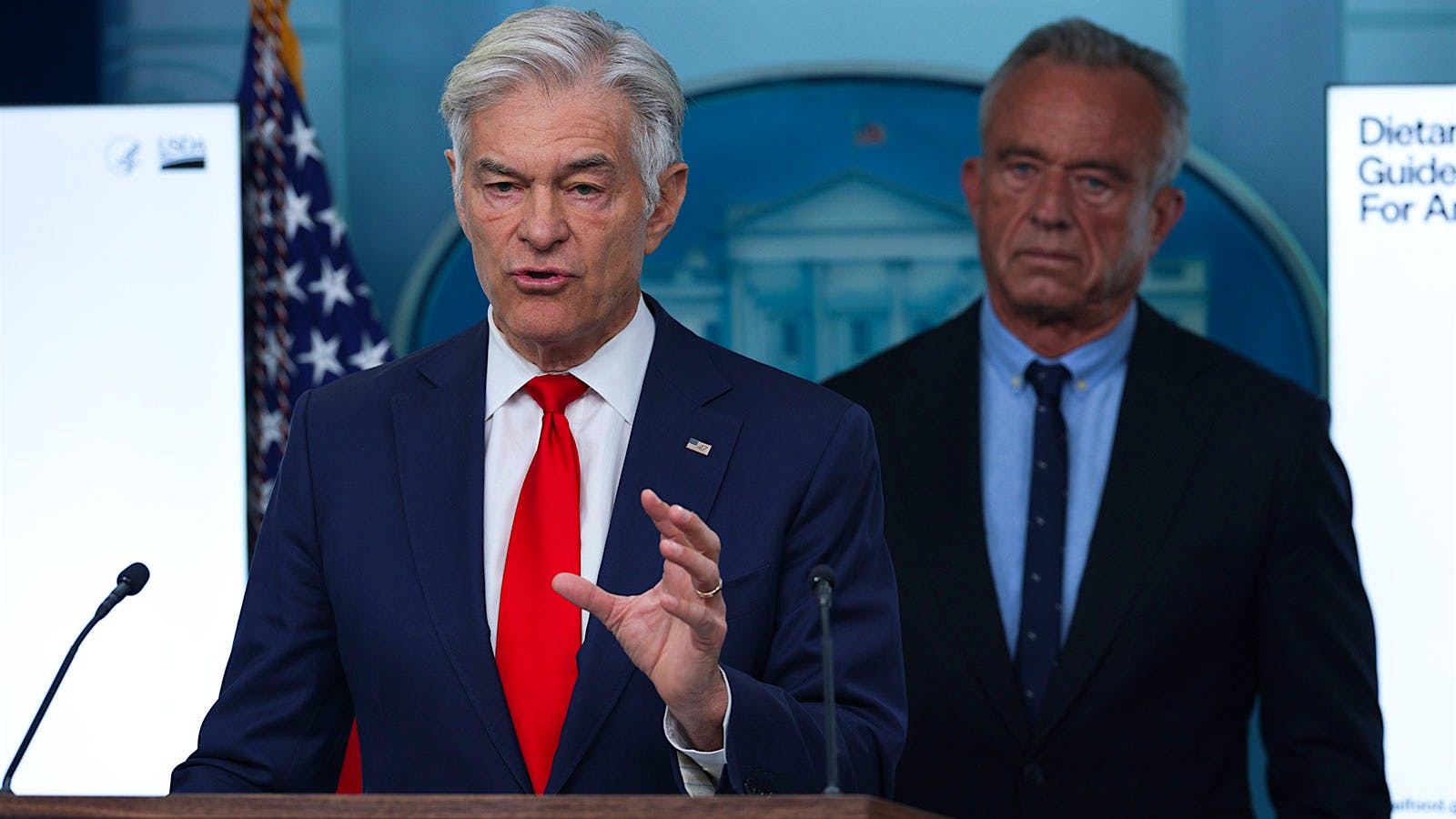



After nearly four years of arguments, dueling analyses and Congressional subpoenas, the U.S. Government issued the latest edition of its Dietary Guidelines for Americans (DGA) Jan. 7. There has been a raging debate: Does drinking wine in moderation lead to lower overall mortality rates, or does all alcohol kill from the very first drop? The answer according to the new guidelines is, well, neither.
Under the heading “Limit Alcoholic Beverages”, the guidelines state: “Consume less alcohol for better overall health.” It goes on to explain that people who are pregnant or recovering from alcohol use disorder, and people taking medications or with medical conditions that can interact with alcohol should avoid alcohol completely. That’s it. The brevity is a stark contrast from the 2020 Guidelines, which devoted an entire page to the subject, explaining the dangers of heavy drinking and binge drinking, but also recommending that if people do drink, men should limit themselves to two drinks or less per day and woman to one drink or less. It effectively defined what moderate drinking means. That’s gone now.
For winemakers and wine lovers, the new guidelines provided a sigh of relief, because there had been a growing fear that the U.S. government would echo the World Health Organization’s recent declaration that no level of alcohol consumption is safe. For temperance organizations, these guidelines were decried as a victory for “big alcohol,” with accusations that the government was swayed by alcohol beverage corporations.
The Failure of ICCPUD’s Secret Panel
What was the Trump administration thinking when they settled on this? It’s unclear. I suspect they had different priorities—the majority of the guidelines are focused on the issues Health and Human Services Secretary Robert F. Kennedy Jr. holds dear, a call for Americans to avoid processed foods and eat more meat and full-fat dairy.
The White House also might have seen the effort to change the guidelines from one to two glasses a day to no safe level of drinking as a President Biden goal, one to be shunned. On the same day that the guidelines were published, the Republican members of the House Committee on Oversight and Government Reform issued a report on the controversial attempt by the Biden administration to rely on a panel inside the Interagency Coordinating Committee on the Prevention of Underage Drinking (ICCPUD) to review the science on alcohol and health, rather than the traditional review panel at the National Academies of Sciences, Engineering and Medicine (NASEM), which Congress has commissioned repeatedly to do the work.
That ICCPUD panel was staffed by six researchers who have spent their careers studying alcohol addiction and alcohol’s negative impacts on society. All are advocates of governments restricting alcohol sales. No one who has followed their work was surprised when their study found that there is no safe level of drinking. And when Congress began investigating why they had been commissioned to do a review for the guidelines at an agency focused on underage drinking, they published their findings in a medical journal one week before President Trump took office, just in case the new administration decided to shelve their report, which it did.
No Winners Here
I believe that alcohol, drunk in moderation, is part of a healthy lifestyle, and so I’m relieved that the new guidelines don’t call any amount unsafe. But I don’t think these guidelines are a win. While they don’t call for abstinence, they also give up on any attempt to define what a healthy relationship with alcohol should look like.
Looking at the careers of the six members of the ICCPUD panel, I completely sympathize with why they wanted to change the guidelines. They have spent their lives treating people hurt by alcohol addiction, studying the harms alcohol can inflict when abused.
But where we disagree is their belief that the only way to stop unhealthy drinking is to stamp out all drinking. Taxes must be raised to make alcohol more expensive. Ads must be banned to keep people from wanting to buy alcohol. And most of all, public opinion must be shaped to see drinking as an unhealthy, unacceptable habit that people should be embarrassed to engage in.
Wine drunk with food and friends can’t provide any benefits, they must argue. Instead of seeing virtue in the idea of friends and family sharing a bottle during a long, leisurely meal, the neo-prohibitionists see it as no different than lighting a cigarette and blowing smoke in the faces of your fellow diners.
America turns 250 this summer. Throughout our nation’s history, we have had an awkward relationship with alcohol, alternately binge drinking or going dry. My dream for 2026 would be that we have an adult conversation, free from hype or fear, about the benefits of limited amounts of drinking, both socially and medically, with food and friends. Instead, the guidelines punt, saying: We’re not going to try to define what a healthy relationship with alcohol looks like. And that, I’m afraid, is a lost opportunity.
Stay on top of important wine stories with Wine Spectator’s free Breaking News Alerts.